WORLDWIDE — 10 COUNTRIES, 12 LAKES
Living Lakes Network
Web, social media and video for a five-year global conservation project: how an IKI-funded programme active in 12 lakes across 10 countries communicates with one editorial voice.
- Period
- 2023 — ongoing
- Services
- Digital content · Video editing · International cooperation
- Website
- livinglakes.org ↗
What we manage
- Writing news and stories for livinglakes.org: network members and the IKI project
- Newsletter — Lake Voices and Expert Voices — by email and adapted for LinkedIn
- Production of the IKI project's videos
- World-days campaigns coordinated across the whole network
- Communication coordination: regular partner meetings and a shared content library
- Website maintenance
- Analytics against the project's communication targets
Project milestones
Measured against the official indicator targets of the IKI-funded project.
IKI · IV1
397,962
Target: 250,000
People viewing online resources created in the course of the project
IKI · IV2
1,153
Target: 1,000
Registrations on the project's knowledge exchange platform
IKI · IV2
178
Target: 200
Relevant contributions to the exchange platform
456
Social media posts published
45
Stories researched, written and published
The challenge
The Living Lakes Biodiversity & Climate Project, coordinated by the Global Nature Fund and funded by Germany's International Climate Initiative (IKI), works on the conservation of 12 lakes and wetlands in 10 countries — from Tonlé Sap in Cambodia to Lake Titicaca and the iSimangaliso Wetland Park in South Africa.
Material arrives from partners on four continents, in different languages, formats and qualities. Donor-funded projects also carry strict visibility and editorial requirements. Turning all of that into a coherent public voice is a permanent job, not a deliverable.
Our ongoing role
We manage the project's digital communication end to end: we write and publish the news and stories on livinglakes.org — from network members' work to the IKI project's milestones —, we produce the Lake Voices and Expert Voices questionnaires, and we prepare the project's newsletter, which reaches subscribers by email and is also adapted for LinkedIn.
We also produce the project's videos — editing partner footage from around the world into pieces that work for institutional donors and general audiences alike — and take care of the website's technical and editorial maintenance.
Analytics close the loop: we track every channel against the project's communication targets and report on progress, so what performs well feeds directly back into what gets produced next.
Coordinating a global network
Communication across the network runs on regular coordination meetings with the partners' communication teams: calendars are aligned, results are shared and upcoming launches are planned together. Out of that work we also built a shared content library, so every partner has approved, ready-to-use materials for its own channels.
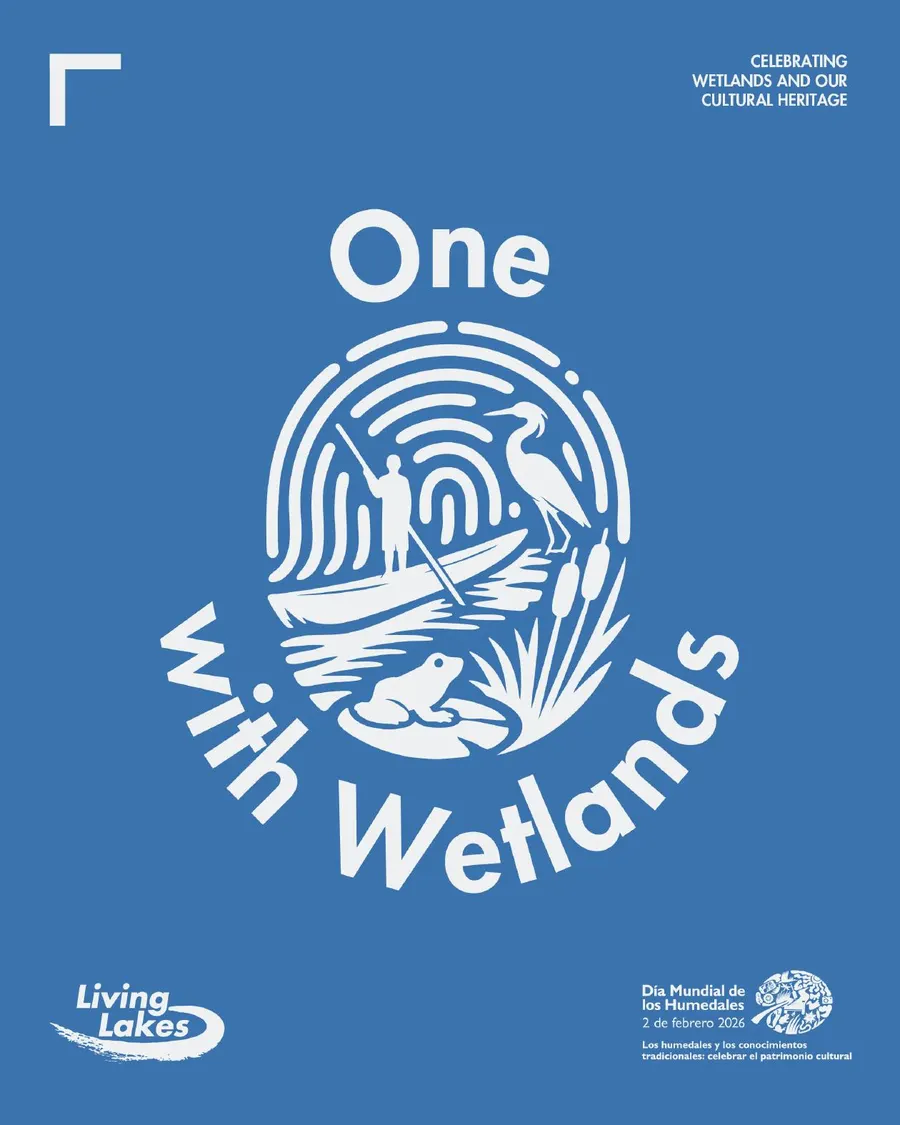
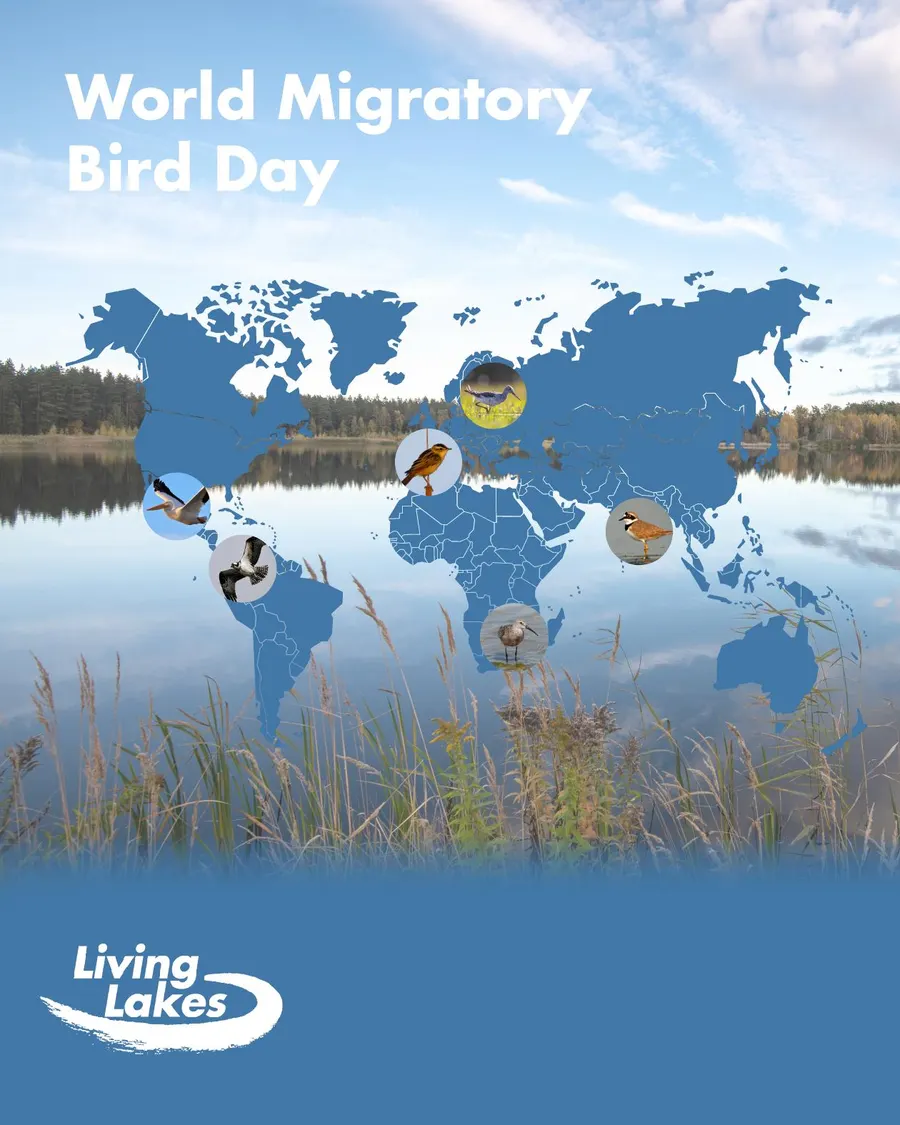
International days — World Wetlands Day, World Water Day — become coordinated action campaigns: the whole network publishes at the same time, with common messages and materials adapted to each country and channel.
Campaign materials
Document library
Lakes Library
We helped build and maintain the network's document library: publications, studies, toolkits and campaign materials, searchable by topic, region and language.
119
documents
60+
topics
8
languages
Explore the library ↗
Results so far
The work is measured against the project's official IKI indicators — and the main targets have already been exceeded: nearly 400,000 people have viewed the online resources created in the course of the project, and registrations on its knowledge exchange platform have passed the 1,000 mark.
Behind those figures is a steady editorial rhythm — more than 450 social media posts and 45 stories researched, written and published — produced to the standards a donor-funded international project requires.
Project partners


Funded by
LinkedIn newsletter
Expert Voices
Monthly interviews with experts in lake and wetland conservation from the Living Lakes Network — written and produced by our team.